Why improving your EPC rating matters
A better EPC rating means lower energy bills, a more comfortable home, and a higher property value. For landlords, it is increasingly a legal necessity as minimum standards rise.
Properties rated A or B sell for 3% to 5% more than equivalent properties rated D or E. With average UK house prices, that translates to thousands of pounds in added value.
The best improvements ranked by cost vs impact
Not all improvements deliver equal value. Here are the most effective upgrades ordered by typical return on investment:
1. Loft insulation
Cost: £300 – £600 | Rating impact: 5 – 10 points | Payback: 2 – 3 years
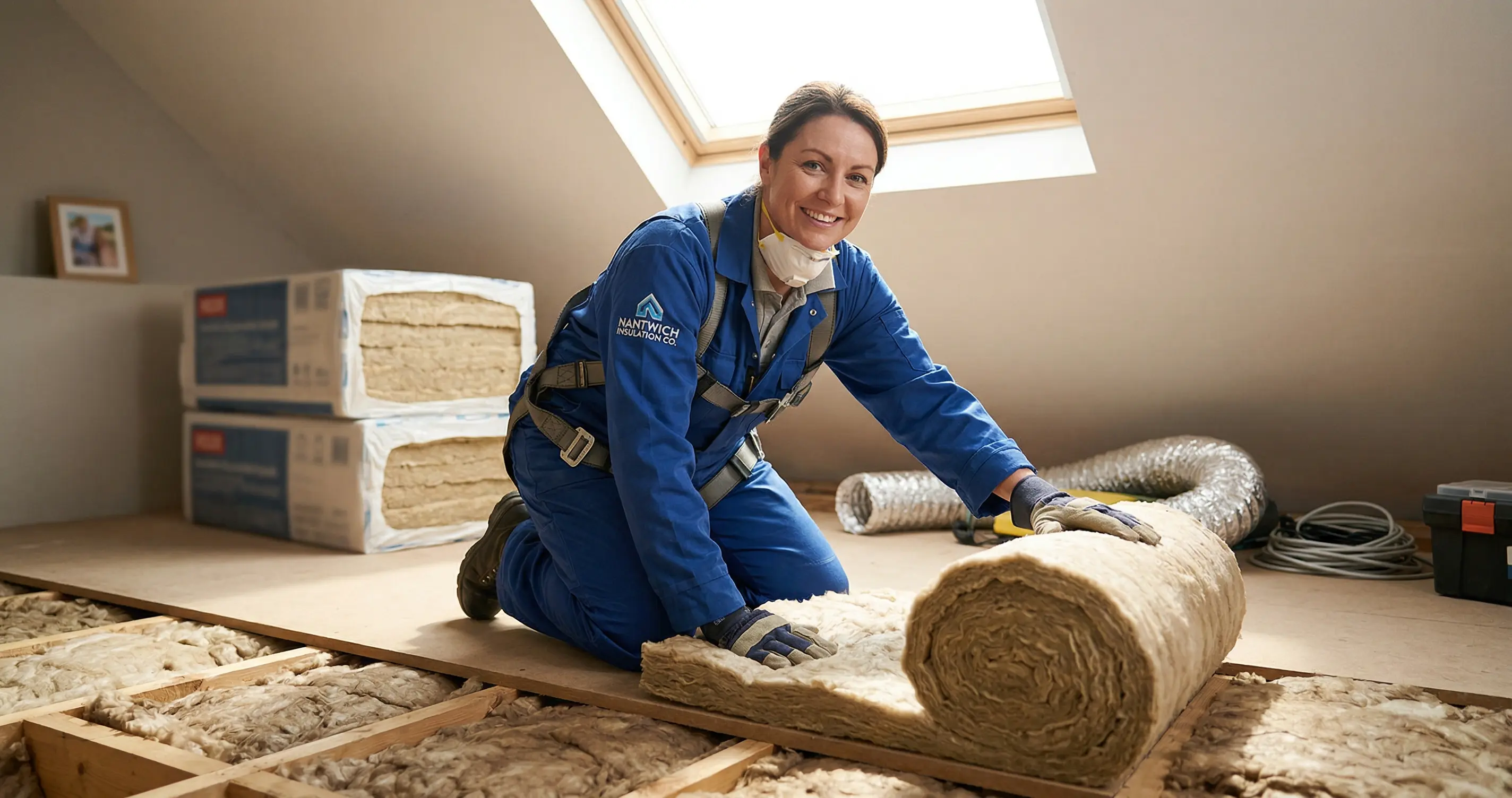
If your loft has less than 100mm of insulation — or none at all — this is almost always the first thing to do. Topping up to the recommended 270mm is straightforward and delivers one of the best returns of any home improvement.
2. Cavity wall insulation
Cost: £500 – £1,500 | Rating impact: 5 – 15 points | Payback: 3 – 5 years
Most homes built between the 1930s and 1990s have cavity walls that can be insulated by injecting material through small holes drilled in the outer wall. The process takes a few hours and can dramatically reduce heat loss.
Not all properties are suitable — homes in exposed locations or with existing damp issues may need alternative approaches.
3. Boiler upgrade or heat pump
Cost: £2,000 – £3,500 (boiler) / £7,000 – £14,000 (heat pump) | Rating impact: 5 – 15 points
Replacing a boiler that is more than 15 years old with a modern condensing model is a reliable way to improve your rating. The improvement is larger if your current boiler is very old or inefficient.
Air source heat pumps deliver a bigger rating improvement but cost significantly more upfront. The Boiler Upgrade Scheme provides grants of up to £7,500, which can make this more affordable.
4. Double or triple glazing
Cost: £3,000 – £7,000 | Rating impact: 5 – 10 points | Payback: 10 – 15 years
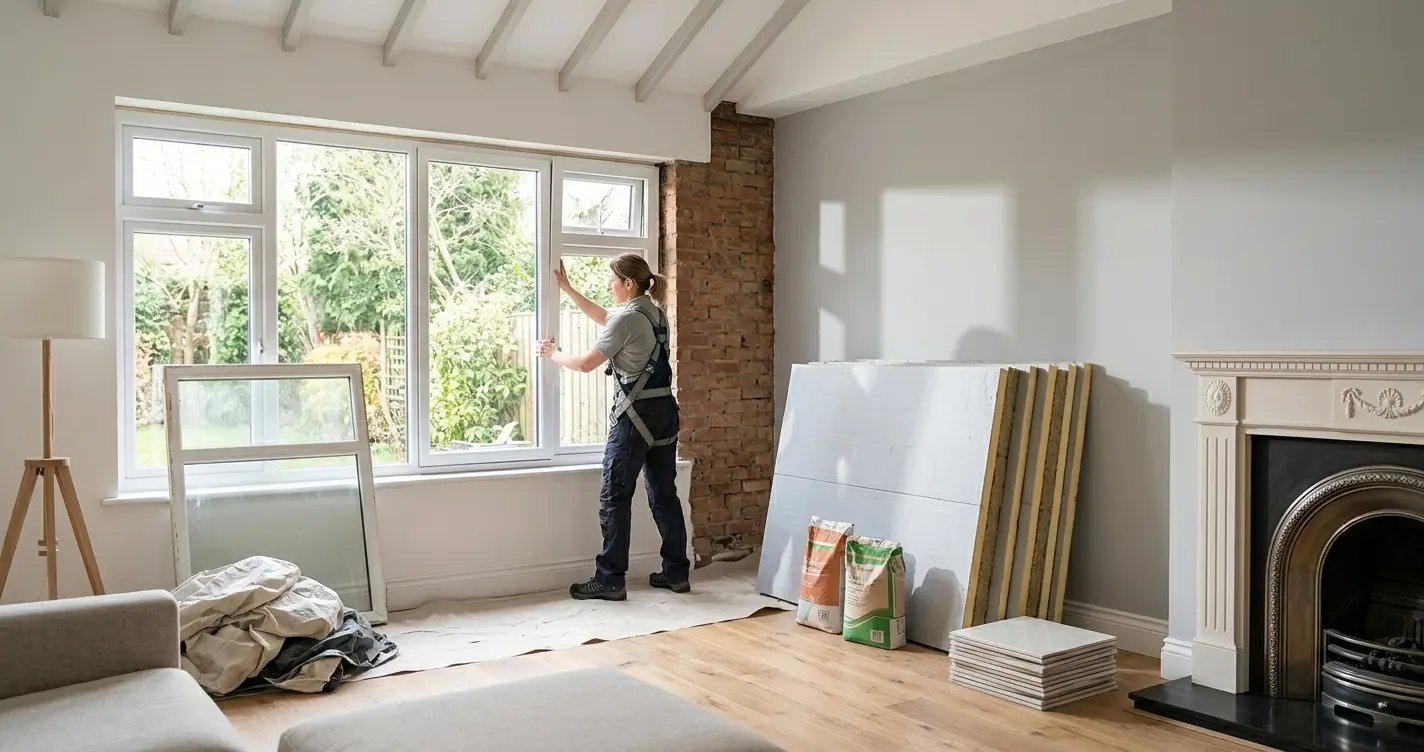
Replacing single glazing with double or triple glazing improves both the EPC rating and comfort. If you already have double glazing, upgrading to triple typically delivers a smaller improvement that may not justify the cost purely for EPC purposes.
5. Solar panels
Cost: £5,000 – £8,000 | Rating impact: 5 – 15 points | Payback: 8 – 12 years
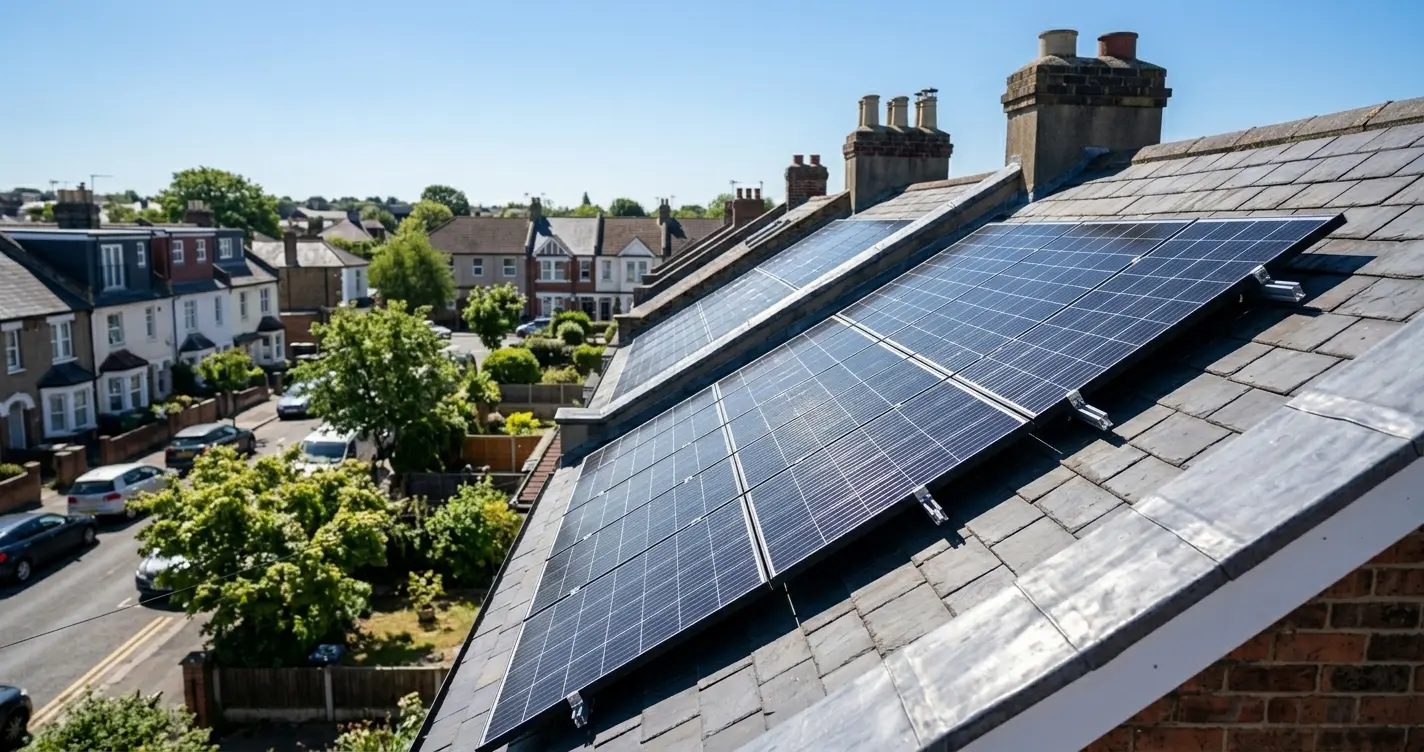
Solar PV panels generate electricity that reduces your grid consumption. The EPC assessment gives credit for the expected generation, which can boost your rating significantly. The impact is greatest on properties that already have good insulation and an efficient heating system.
6. Draught proofing
Cost: £100 – £300 | Rating impact: 1 – 3 points | Payback: 1 – 2 years
Sealing gaps around doors, windows, letterboxes, and floorboards is cheap and easy. The EPC impact is modest, but it is one of the most cost-effective comfort improvements you can make.
7. Smart heating controls
Cost: £200 – £500 | Rating impact: 2 – 5 points | Payback: 2 – 4 years
A programmable room thermostat and thermostatic radiator valves (TRVs) give the EPC assessment evidence that your heating can be properly controlled. If your current system lacks these, adding them is a quick win.
Available grants and funding
Several government schemes can reduce the cost of improvements:
Boiler Upgrade Scheme — grants of up to £7,500 for air source heat pumps or £5,000 for ground source heat pumps. Available until 2028.
ECO4 — funding through energy suppliers for insulation and heating. Eligibility depends on household circumstances and the property's EPC rating.
Great British Insulation Scheme — targets single insulation measures (cavity wall, loft, solid wall) for homes rated D to G. Delivered through energy suppliers with no upfront cost for eligible households.
Check GOV.UK for current eligibility criteria. Availability changes regularly.
What a reassessment costs after improvements
Once you have made improvements, you will need a new EPC to reflect the better rating. A reassessment costs the same as a standard EPC — typically £60 to £120 depending on property size and location.
The assessor will record the improvements and the new rating should reflect the work you have done. Make sure you keep evidence of any improvements (invoices, certificates, guarantees) to show the assessor.
How soon after improvements should you get a new EPC?
There is no mandatory waiting period. You can book a new assessment as soon as the improvements are complete. If you are improving your rating for a specific purpose — such as meeting rental minimum standards or marketing a property for sale — it makes sense to get the new EPC as soon as the work is finished.